

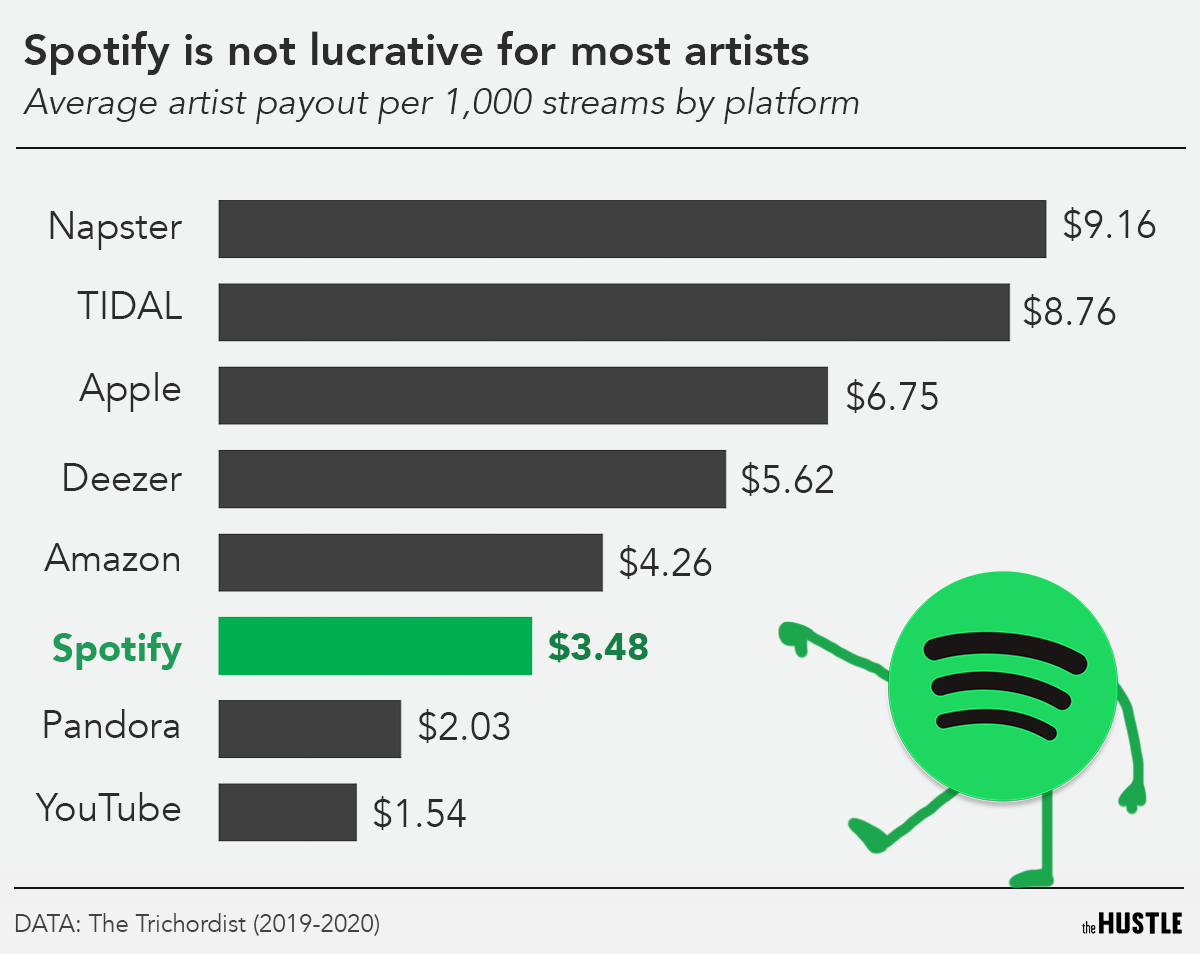
Spotify pays artists between $3 and $5 per 1000 streams. The exact amount varies based on multiple factors.
Spotify has revolutionized how we consume music. It offers artists a platform to reach a global audience. Despite its popularity, the payment structure remains a topic of debate. Artists earn a fraction of a penny per stream, which can add up over time.
Factors like listener location and subscription type influence the payout. Independent artists often find it challenging to make significant earnings solely from streaming. Understanding Spotify’s payment model is crucial for musicians. It helps them manage expectations and explore additional revenue streams. As streaming continues to dominate, knowing these details becomes even more important.
Introduction To Spotify Payments
Spotify is a popular music streaming platform. Artists want to know how much Spotify pays per 1000 streams. This is crucial for their earnings. Understanding Spotify payments can be complex. This section will explain the basics.
Music Streaming Landscape
The music industry has changed. Streaming services like Spotify dominate now. CD sales and downloads have decreased. Artists rely on streaming for income. Many platforms exist but Spotify is a leader.
Importance Of Payouts
Artists need to know their earnings from streams. This helps them plan their careers. Payouts from Spotify are not straightforward. They depend on many factors. Knowing these factors helps artists understand their income better.
Factors Influencing Spotify Payouts
- Number of streams
- Listener’s country
- Type of Spotify account (free or premium)
- Artist’s contract
Here’s a rough estimate of Spotify’s payout:
| Streams | Estimated Earnings |
|---|---|
| 1000 | $3 – $5 |
| 10,000 | $30 – $50 |
| 100,000 | $300 – $500 |
Revenue Model
Understanding Spotify’s revenue model is crucial for artists. It helps them estimate their earnings. Spotify uses two main models: subscription plans and an ad-supported free tier.
Subscription Plans
Spotify offers several subscription plans. Each plan has a different cost. These plans include:
- Spotify Free
- Spotify Premium
- Spotify Family
- Spotify Student
Spotify Premium users pay a monthly fee. This fee contributes to the artist’s earnings. The more premium users, the higher the payout. Spotify Family and Student plans also add to revenue. Each plan has a share in the total payout pool.
Ad-supported Free Tier
The ad-supported free tier is another revenue stream. Users can listen for free but hear ads. These ads generate income for Spotify. A portion of this income goes to artists.
The more ads played, the higher the revenue. This tier pays less per stream than premium plans. Yet, it still contributes to overall earnings. Artists benefit from both subscription and ad-supported streams.
Here is a simple table to show the difference:
| Plan | Revenue Contribution |
|---|---|
| Spotify Free | Low |
| Spotify Premium | High |
| Spotify Family | Moderate |
| Spotify Student | Moderate |
Understanding these models helps artists predict earnings. Both models are important for an artist’s income. Knowing this can help in planning their music releases.
Factors Influencing Payouts
Spotify’s payouts per 1000 streams can vary greatly. Many factors influence this variation. Understanding these factors can help artists estimate their earnings better. Let’s explore the key factors influencing payouts.
Geographical Variances
Spotify operates in many countries. Payouts differ based on the listener’s country. For example, streams from the US may pay more than streams from India.
Here’s a quick breakdown of how geography affects payouts:
- Economic Differences: Countries with stronger economies usually pay more.
- Ad Revenue: Advertising rates vary by region, influencing payouts.
- Subscription Rates: Higher subscription rates in some countries lead to higher payouts.
Subscription Type
Spotify offers different subscription plans. The type of subscription affects the payout per stream. For instance, premium users contribute more to payouts than free users.
Here’s how different subscription types impact payouts:
| Subscription Type | Impact on Payout |
|---|---|
| Free Users | Lower payouts due to ad-supported model. |
| Premium Users | Higher payouts due to subscription fees. |
Artists benefit more from streams by premium users. This is due to the higher revenue generated from subscriptions.
Calculation Of Payments
Understanding how much Spotify pays per 1000 streams can be complex. Payments depend on several factors. This section breaks down the key components.
Per-stream Rate
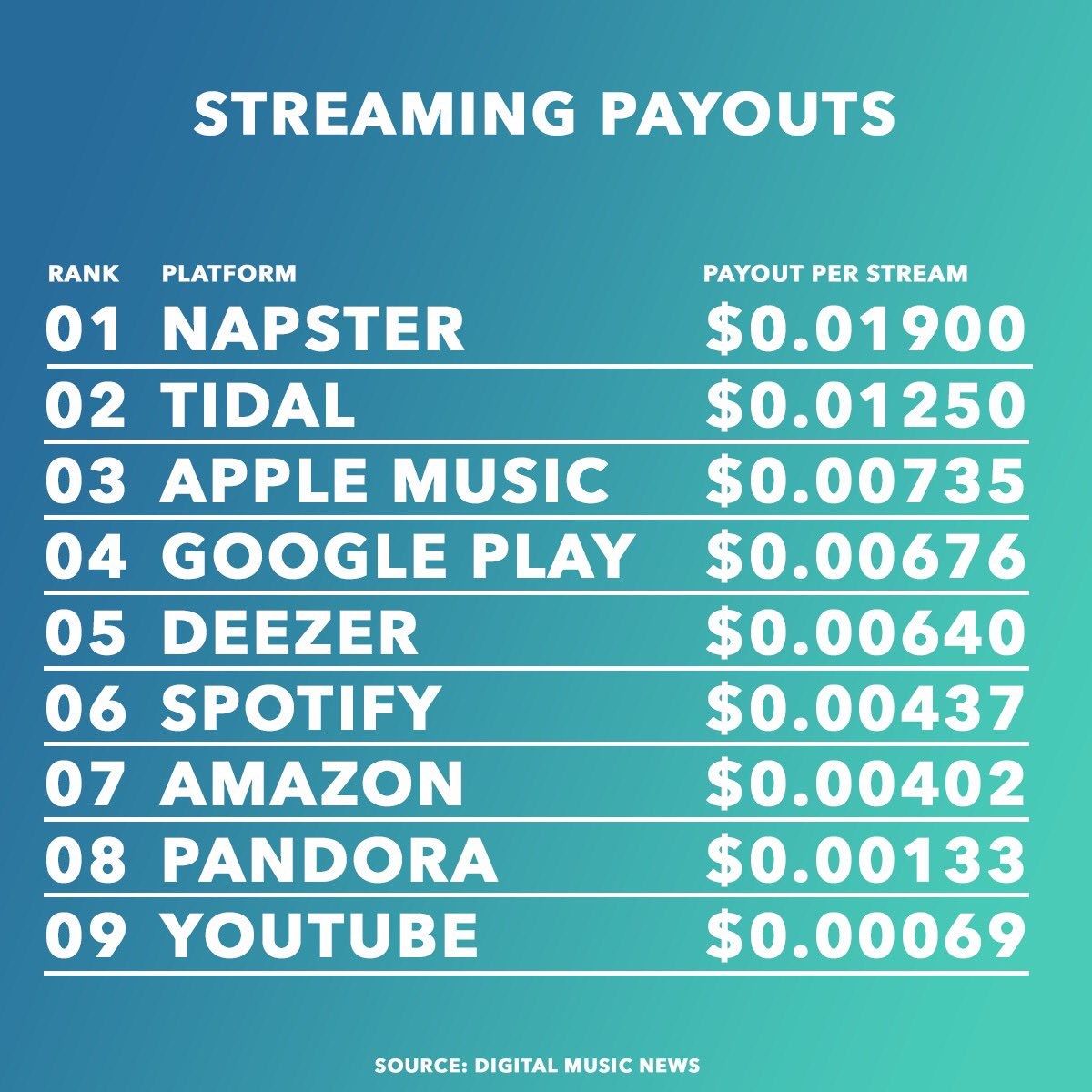
Spotify’s per-stream rate varies. On average, it ranges between $0.003 to $0.005 per stream. These rates depend on the user’s location and type of subscription.
Here’s a quick breakdown:
- Free Users: Lower per-stream rate due to ads.
- Premium Users: Higher per-stream rate as they pay for subscriptions.
Revenue Pool Distribution
Spotify’s revenue pool is the total money collected from ads and subscriptions. This pool is distributed among all artists based on their share of streams.
Here’s how it works:
- Calculate total streams on Spotify.
- Determine your share of the total streams.
- Multiply your share by the revenue pool.
For example, if the total revenue pool is $1,000,000 and you have 1% of the total streams, you earn $10,000.
| Streams | Per-Stream Rate | Estimated Earnings |
|---|---|---|
| 1000 | $0.003 | $3 |
| 1000 | $0.005 | $5 |
Understanding these calculations helps predict earnings from Spotify streams.
Comparison With Other Platforms
Understanding how much Spotify pays per 1000 streams can be confusing. Comparing it with other platforms can help. Each platform has different rates and policies. Let’s see how Spotify fares against its competitors.
Apple Music
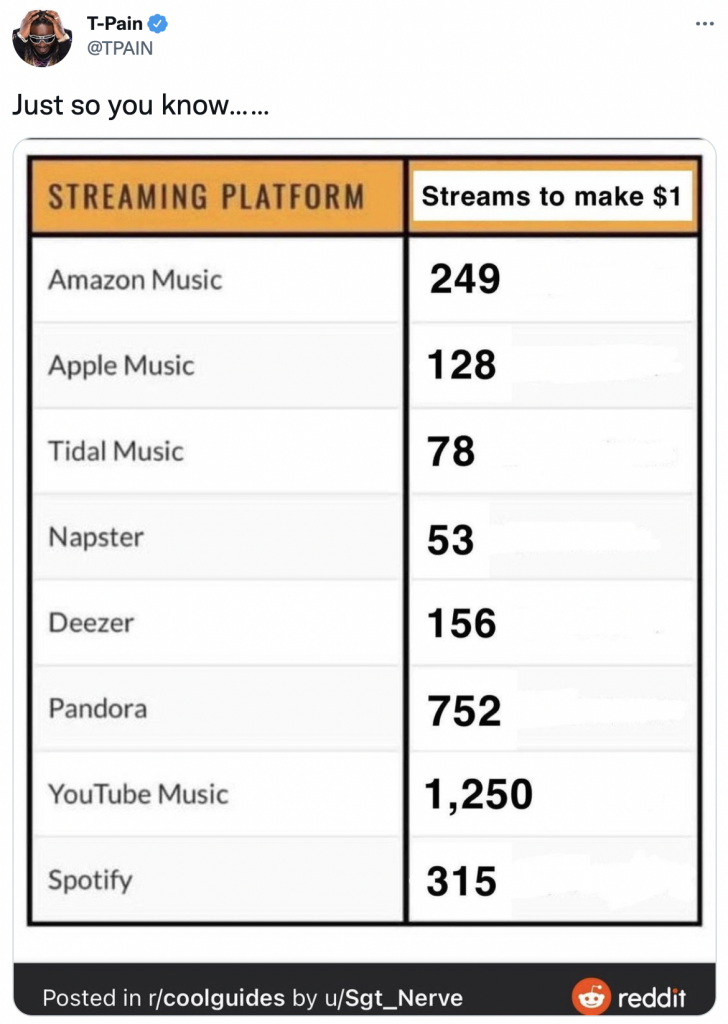
Apple Music is a strong contender in the music streaming world. Apple Music tends to pay artists more than Spotify. On average, Apple Music pays around $0.007 to $0.01 per stream. For 1000 streams, this can mean $7 to $10. In contrast, Spotify pays around $0.003 to $0.005 per stream. This means $3 to $5 for 1000 streams.
Tidal
Tidal is known for its high-quality audio and artist-friendly payouts. Tidal pays artists significantly more than most platforms. The payout per stream on Tidal is around $0.012 to $0.014. For 1000 streams, this means $12 to $14. This is much higher than both Spotify and Apple Music.
Youtube Music
YouTube Music offers a vast library and visual content. YouTube Music generally pays less than other platforms. The payout per stream is about $0.00069. For 1000 streams, artists earn about $0.69. This is much lower compared to Spotify, Apple Music, and Tidal.
| Platform | Pay Per Stream | Pay Per 1000 Streams |
|---|---|---|
| Spotify | $0.003 – $0.005 | $3 – $5 |
| Apple Music | $0.007 – $0.01 | $7 – $10 |
| Tidal | $0.012 – $0.014 | $12 – $14 |
| YouTube Music | $0.00069 | $0.69 |
Impact On Artists
Spotify’s pay-per-stream model impacts artists in various ways. Understanding this effect helps assess the platform’s role in their careers.
Independent Artists
Independent artists often struggle with Spotify’s pay-per-stream rates. These artists usually lack the backing of major labels. This means they earn less from streams.
On average, Spotify pays between $0.003 and $0.005 per stream. For 1000 streams, an independent artist might earn around $3 to $5. This amount is quite low. It makes it hard for them to sustain their careers.
Independent artists often rely on multiple income streams. They sell merchandise, perform live shows, and use crowdfunding. This helps them make up for the low earnings from Spotify.
| Number of Streams | Estimated Earnings |
|---|---|
| 1000 | $3 – $5 |
| 10,000 | $30 – $50 |
| 100,000 | $300 – $500 |
Major Label Artists
Major label artists have different experiences with Spotify. These artists usually have more resources and support. Their music gets promoted more effectively. This results in more streams and higher earnings.
Major labels often negotiate better rates with Spotify. They might receive a larger share of the platform’s revenue. This means they could earn more per stream compared to independent artists. For 1000 streams, a major label artist might earn around $5 to $10.
The table below shows potential earnings for major label artists.
| Number of Streams | Estimated Earnings |
|---|---|
| 1000 | $5 – $10 |
| 10,000 | $50 – $100 |
| 100,000 | $500 – $1000 |
Despite the higher earnings, major label artists still face challenges. They often have to share their income with various stakeholders. These include the record label, managers, and producers. This reduces their actual take-home pay.
Transparency And Criticism
The topic of Spotify’s payments per 1000 streams has sparked much debate. Artists and music lovers are questioning the fairness of the payout system. This section dives into the transparency and criticism surrounding Spotify’s payout model.
Artist Complaints
Many artists feel that Spotify’s payouts are too low. They argue that the platform benefits more than the creators. With millions of streams, some still struggle to make a living. Here are some common complaints:
- Low payout rates per stream
- Lack of clear payment structure
- Disparity between major and indie artists
- Complex revenue sharing models
For a clearer picture, consider the following table:
| Artist Type | Average Payout per 1000 Streams |
|---|---|
| Major Label Artist | $3-$5 |
| Independent Artist | $1-$3 |
Platform Responses
Spotify has responded to these complaints in various ways. They claim their payout system is fair. They also emphasize the benefits of their platform for exposure. Here are some key points from Spotify:
- Spotify pays 70% of revenue to rights holders
- They have paid billions to the music industry
- Artists gain global reach and new fans
- They continue to improve transparency
Spotify has also introduced tools to help artists track their earnings. These tools provide data on streams and payouts. Despite these efforts, criticism persists. Many still demand higher payouts and more transparency.
Future Outlook
The music industry keeps changing, and Spotify’s payout per 1000 streams is no exception. Artists and listeners wonder about future earnings. Let’s explore the future outlook for Spotify payouts.
Changes In Payout Structures
Spotify may change how they pay artists. New payment models could affect artist earnings. One possible change is a user-centric payment system. This system pays artists based on individual user listening habits.
Here’s a simple breakdown of the potential payout structures:
| Current Model | Possible Future Model |
|---|---|
| Pro-rata system | User-centric system |
| All streams pooled | Individual user streams |
| Equal share for top artists | Fairer share for all artists |
Changes in payout structures aim to make payments fairer. Artists hope to earn more from their dedicated fans.
Evolving Music Industry
The music industry evolves with new technology. Streaming services like Spotify adjust to these changes. Blockchain technology might influence future payouts. Blockchain can make transactions transparent and secure.
Other potential industry changes include:
- Increased competition among streaming services
- New revenue streams like virtual concerts
- Changes in listener behavior with new devices
Each of these factors can affect Spotify’s payout rates. Artists need to adapt to these changes to maximize earnings. The music industry will keep evolving, and artists must stay informed.
Conclusion
Understanding Spotify’s pay-per-stream rates can help musicians plan their revenue strategies. The payment varies by region and user type. While the exact amount might differ, artists can still leverage Spotify’s platform for exposure. Consistent quality content will attract more listeners, increasing overall earnings.
Stay informed and adapt to maximize your streaming revenue.